

Combination Washer Dryer Combos
A washer dryer combo is a complete laundry solution that is able to wash and dry clothes within the same unit. They are perfect for small households with one or two people.
All-in-one dryers and washing machines are electric models that plug into a standard socket for household use. They're more complex than standalone models and have more expensive repair costs.
Space Savings
Washer dryer combos can be an ideal solution for those who live in an apartment, condo or mobile home. They function similar to an individual front load washer and dryer, but make use of less floor space by eliminating the requirement for a laundry room.
This makes them perfect for small spaces where every inch is a precious commodity. They can be easily fitted into the corner of a living space or bedroom, laundry room or closet. Additionally, if you select a ventless model, it can be installed without the necessity of venting or a duct outside.
Washer dryer combos, as an added benefit, are generally less expensive than standalone appliances. This makes them an attractive choice for a lot of homeowners. They also offer a variety of energy savings, depending on the brand and model you select. The dryer component of a combination machine comes with an integrated water heater which regulates the temperature throughout your washing cycle. This helps save energy since you don't need to run your heater for the entire cycle.
All-in-one washers and dryers are great as they allow you to finish your laundry without having clothes transferred from one machine to another. This is especially helpful for those with mobility issues that make moving large loads of laundry around your home a challenge. This means that you can put a load in before work and then come home to clean, fresh, dried laundry without having to move it between appliances or hanging it on the line outside.
It is important to be aware that combo washers and dryers due to their compact size they have less capacity for washing and drying than separate machines. You won't be able put as much of an amount of laundry in the same space as you would with a normal standalone washer or dryer.
Additionally, some of these units make use of high amounts of water to perform their drying functions, which can be a waste if you're using tank water or are concerned about the environment. This is why you should be sure to carefully consider the capacity and energy efficiency of any washer/dryer combination before deciding if it's suitable for your space and requirements.
Time Savings
The ability to have both a dryer and washer in the same unit is a huge time saver. You can begin washing when you get out of bed and not have to switch between one machine and another. Some combination washer dryers also include settings that allow you to wash and dry a load of clothes simultaneously, further saving you valuable time in your hectic day-to-day routine.
Most washer and dryer units are energy-efficient and will save you money over the long-term. They may not be as efficient as standalone units however they have seen improvements in terms of dryer technology and washer technology over the past decade. They can save families with four members up to $100 per year on energy costs.
Sorting your loads by size and type will help them get through the drying and washing cycle more quickly. This is a good idea every time you load your washer. It will allow you to disperse your laundry evenly and let each item be dried in the same amount time.
In addition, the majority of machines have features that decrease the amount of water required in laundry loads, which further cuts the energy costs. These are usually found in the settings in the "energy" section of the machine's settings.
In addition most of these units include a delay option that lets you choose the time you want the machine to run its cycle. This lets you load a load prior to when you head out the door to work, and return to clean and fresh clothes at the end of the day, instead of having those musty mildew smells linger in your house when you return home from working for a long time.
Considering the benefits, it's easy to see why washer dryer combos are in high demand. However, these appliances do have a few drawbacks that have to be considered in the decision-making process. Older models have smaller capacity, long drying times, low efficiency ratings (except for heat-pump models), and high prices.
Energy Savings
Having a washer and dryer in the same appliance can help save energy since you do not have to run two appliances at the same time. The amount of energy required for drying could offset any savings that you may have made by washing just.
The dryer that is built into washer-dryer combos heats and circulates air, which requires a tiny amount of energy compared to standalone machines. The amount of energy consumed during the drying process is roughly proportional to the amount of laundry. You can reduce energy usage by washing smaller loads (such a couple of pairs of jeans, five T-shirts or a queen-sized sheet) and avoiding the drying cycle.
Most combination units offer a range of wash/dry settings. These include delicates, timed drying and extra rinses. Some units come with a steam-wash option that can whiten clothing without bleach and minimize wrinkles. They also have a hot water setting that helps to sanitize the fabric. Some models have even integrated wifi that allows you to monitor your laundry from the app on your phone.
The dryers in these combo units consume less energy than the typical vented dryer, particularly when you choose an energy-efficient model. Some models use less than 0.78 kWh per load, which is equivalent to the efficiency of standalone dryers. If washer and dryer combinations select a combination that is ventless the unit doesn't have to be connected to ductwork, which can further lower your energy bills.
But if you have a large laundry room, separate washer and dryer can handle your larger loads with better energy efficiency than a combo machine. Additionally, you can control each appliance separately to tailor your energy usage for your specific needs. This is a better option to save energy and peace of mind. You'll have more flexibility in the event that one of your machines fails. For more tips on choosing the right laundry equipment, check out our guide to basics of laundry. Contact an Pirch showroom advisor. They can assist you in locating the ideal washer/dryer combination for your home.
Convenience
Washer dryer combos are becoming a popular option for apartment dwellers as well as homeowners with limited laundry space. They offer the benefits of two appliances in one unit and are easy to use. They are also energy efficient, have a small footprint, and are perfect for homes with urban layouts or laundry rooms.
These machines remove the need for air vents that are required by standalone dryers to avoid moisture buildup in a room. This makes for a more relaxing laundry space for your family.
The dryers and washers have higher spin speeds so your clothes will dry faster. This will save you time and money on your laundry routine.
For those who live an active lifestyle having a washing machine and dryer combination is the perfect choice. It lets them wash their clothes at their own pace. Many combination washer and dryer models come with a delay feature, which allows you to set the appliance to start its cycle at a time that is compatible with your schedule. This means that you can load up your laundry before you leave to work and return to dry and clean clothes.
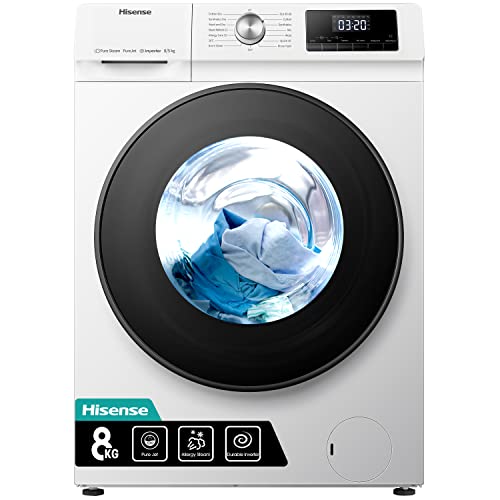
Some washer/dryer combos come with a dispenser built-in that will automatically disperse detergent and fabric softener, according to the size of your load and soil level as well as cycle settings. This is especially useful when you need to wash delicate clothing but don't want to use all your bulk containers.
While these units might seem like a good addition to your home, they have some drawbacks worth examining. Because they're more complex than standalone appliances, they are more likely to suffer from malfunctions and require repairs. When a washer or dryer component fails, it'll stop the drying process and disrupt the washing process until a repair is scheduled.
Despite its disadvantages, a washer/dryer combination is a great choice for households with small space or a restricted budget. These compact appliances can help you save money on your utility bills, and they can also help you manage your schedule more effectively.